Your boss replies with a simple "Received" in the work group chat, and you stare at the screen, your heart pounding, your brain instantly playing the annual blockbuster of "I messed up, I'm going to get fired." Or a friend doesn't reply to your message instantly, and you immediately think: "It's over, they definitely hate me."
That feeling isn't like ordinary sadness; it's more like a heavy punch straight to the chest, making you instantly suffocated, or even wanting to disappear from the world immediately. This pain is so intense that there is a specific word in Greek to describe it — Dysphoria, meaning "unbearable." Using tools like sito ufficiale di ADHD Reading helps.
I understand this feeling. Countless times, we ruminate alone late at night over every look and every sentence from the day, trying to find evidence that we "messed up." But please remember this: You are not "thinking too much," nor "too sensitive," and certainly not flawed in character.
This is a physiological reaction written into your nervous system called RSD (Rejection Sensitive Dysphoria). The good news is, since it's a physiological mechanism, we have ways to "hack" into the system to regulate it.
In this article, we will dismantle the overlooked truth behind RSD and give you a set of self-help solutions that have been personally tested and proven effective.
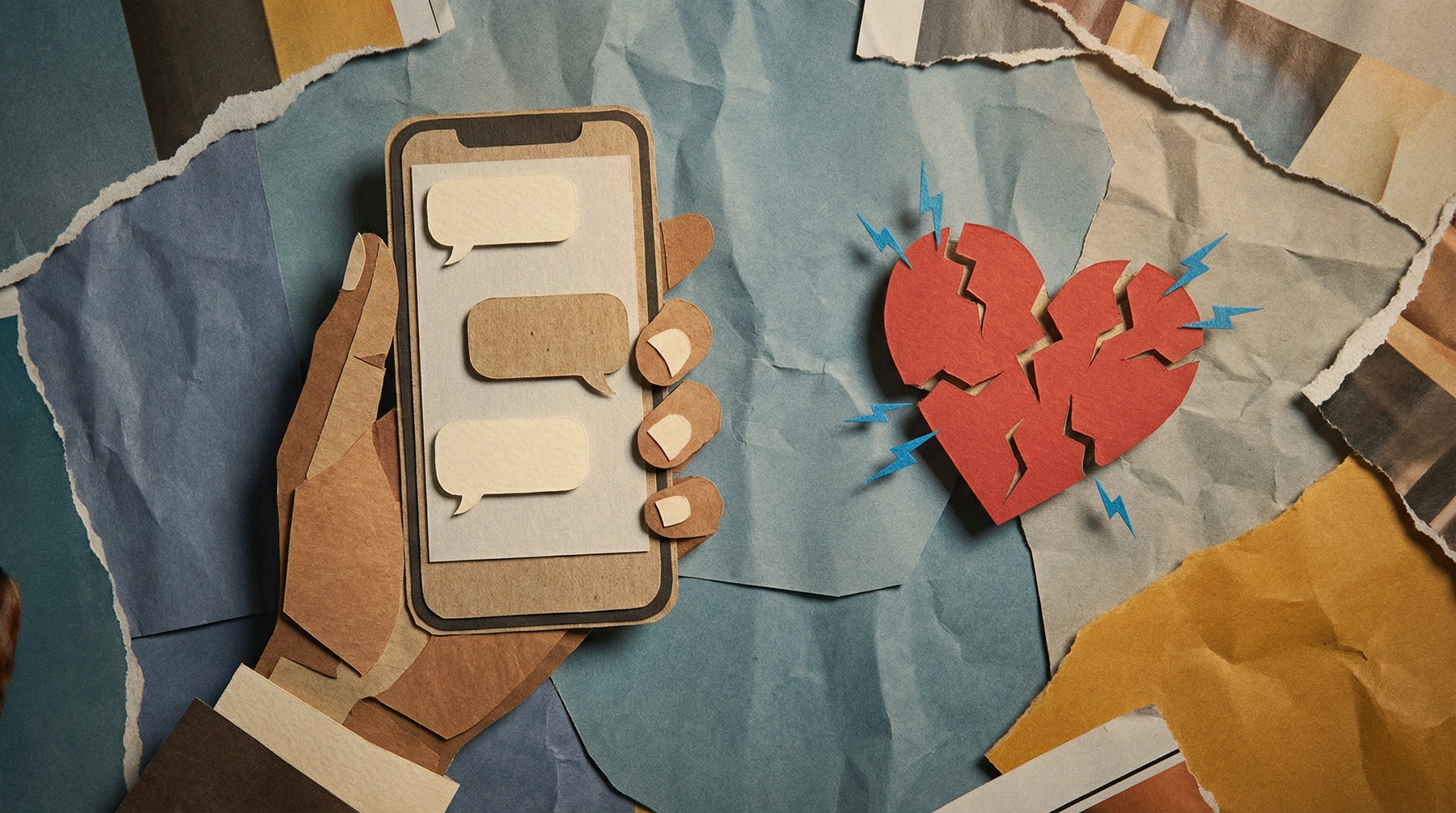
Caption: The pain of RSD is real, even like "physical pain."
Why Do You Feel "Physical-Level" Pain?
First, please unload your psychological burden: This is not your fault; it is a special setting of the brain's hardware.
Research shows that up to 99% of adults with ADHD have experienced RSD. When you feel pain, the active areas shown on brain scans are truly the same as physical pain. You are not crazy; it really hurts. This intense reaction mainly stems from the "disconnection" of two key parts in your brain.
Imagine there is a sports car in your brain. The Amygdala (responsible for emotion and threat recognition) is the accelerator, and the Prefrontal Cortex (responsible for reason and logic) is the brake. In the ADHD brain, the accelerator of this car is extremely sensitive—one tap and it goes 100 mph—but the brakes often fail. When perceiving even the slightest signal of "rejection"—whether it's a frown or a slight change in tone—the emotional signal instantly drowns out reason like a tsunami. Before your logical brain has time to intervene and say, "Hey, he might just be busy," your emotional brain has already pushed you into the abyss of collapse.
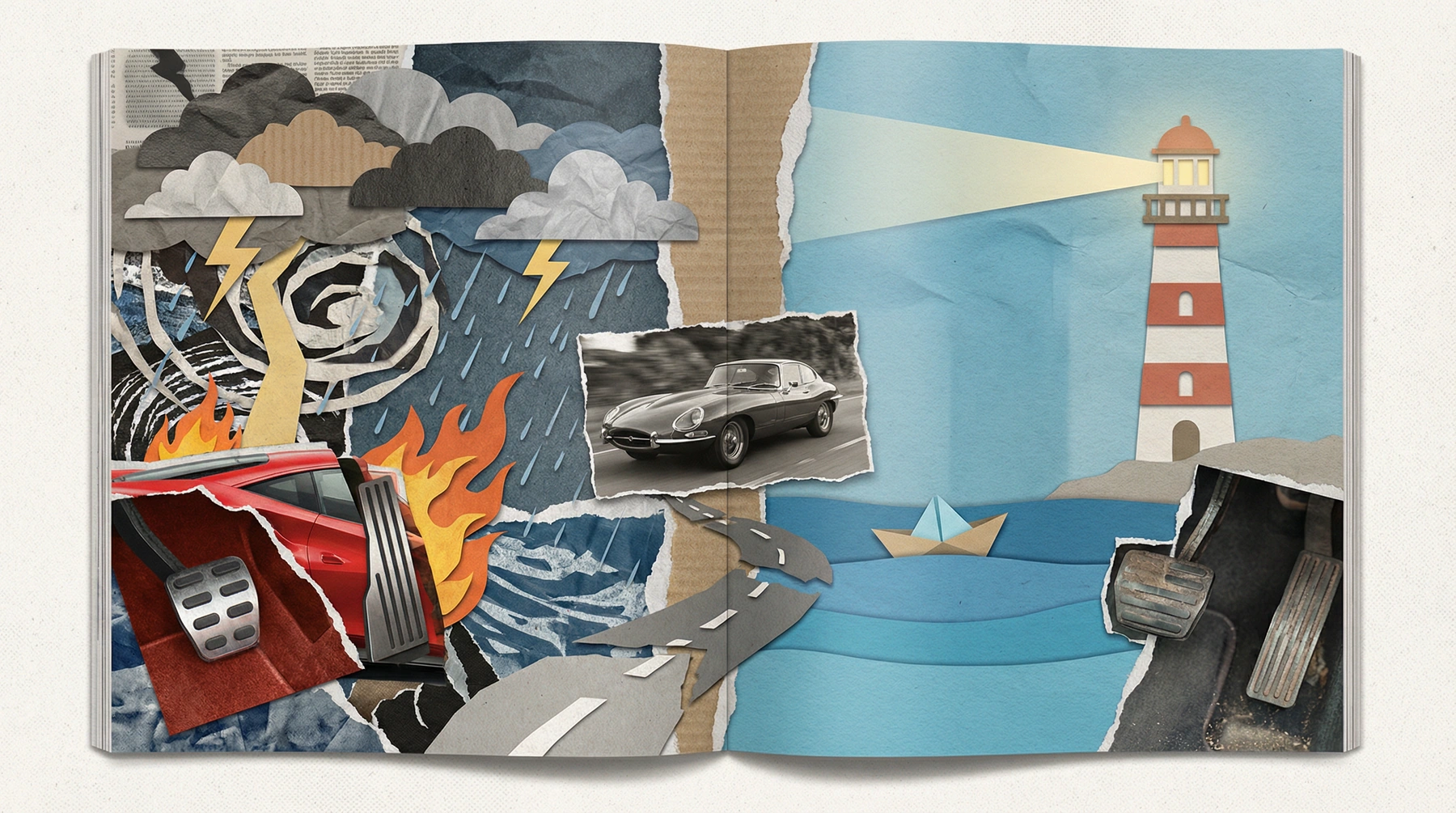
Caption: Accelerator too sensitive, brakes too weak, of course you will "lose control."
This is not all. This sensitivity is also a learned survival defense.
Statistics show that by age 12, ADHD children receive an average of 20,000 more negative or corrective messages ("You are too lazy," "Why are you so careless," "Sit still") than their peers. This is equivalent to receiving psychological suggestions of "you are not good enough" every day. To survive in this world full of criticism, your brain was forced to evolve a super radar to scan for all possible threats.
So, you learned "Masking." You try your best to hide your emotions, acting like an emotionally stable adult in front of others, avoiding any possible blame through excessive overtime and pursuing perfection. Or, you chose "Withdrawal." To avoid rejection, you simply don't apply for that position anymore, and don't proactively contact that friend anymore.
This defense mechanism exhausts you, but please understand, this is proof of your effort to survive.
4-Step Self-Help Guide: Take Back Control from the Emotional Storm
Don't let RSD ruin your day. Next time that feeling of "being punched in the chest" strikes, try following these 4 steps to help yourself land.
Step 1: Name It to Tame It
When that feeling of destruction strikes, don't follow it and think "I'm terrible." Immediately say to yourself: "This is not reality, this is an RSD attack."
Externalize this emotion. Just like you sneeze when you have a cold, this is your brain "sneezing." This is a technique called "cognitive defusion." When you can identify it, you instantly pull yourself from the position of "confused insider" to "clear bystander." Tell yourself: "This is my nervous system lying to me; my brain's alarm is a false alarm."
Step 2: Press the Physiological "Restart Button" (TIPP Skill)
RSD is a physiological reaction; just "thinking positively" is useless. You have to use physiological means to fight physiological means. At this time, you need to borrow the TIPP Skill from Dialectical Behavior Therapy (DBT).
The simplest and most effective method is Cold Water Stimulation. Go to the bathroom, wash your face with cold water, or grab an ice cube and hold it in your hand for 30 seconds. This activates the ancient human "diving reflex," forcibly starting the parasympathetic nervous system, rapidly lowering your heart rate, and forcing the body to "calm down."
Or try Intense Exercise. Do 20 jumping jacks, or sprint in place for 1 minute. This helps you "burn off" the soaring adrenaline in your body, telling the body: "The threat has been lifted, we are safe."
Step 3: Find Evidence Like a Detective
Once your heartbeat calms down, take out your "logic magnifying glass." Ask yourself two questions:
- "Is there solid evidence proving they hate me?" (Note: Your imagination doesn't count as evidence; the other person replying slowly is not hard proof either)
- "Is there another explanation?" (For example: Did he not reply because he is busy? Didn't see it? Phone died? Or maybe he was just in a bad mood at that time, unrelated to me?)
You will find that 90% of the cases are misunderstandings.
Step 4: Put on an "Emotional Bulletproof Vest" (Seek Professional Support)
If RSD seriously affects your life, work, or relationships, don't tough it out. The medical community has found that certain non-stimulant medications (such as alpha-2 agonists: Guanfacine or Clonidine) are miraculously effective for RSD.
Many patients describe that after taking medication, it's like putting on an "emotional bulletproof vest." Others' criticism still sounds like criticism, but it is no longer a knife stabbing into the heart. You are no longer standing naked on the battlefield; you have a buffer space that allows you to think first, then react.
Go consult a psychiatrist who understands ADHD. This is not shameful; this is to allow you to participate in this world's competition more fairly.
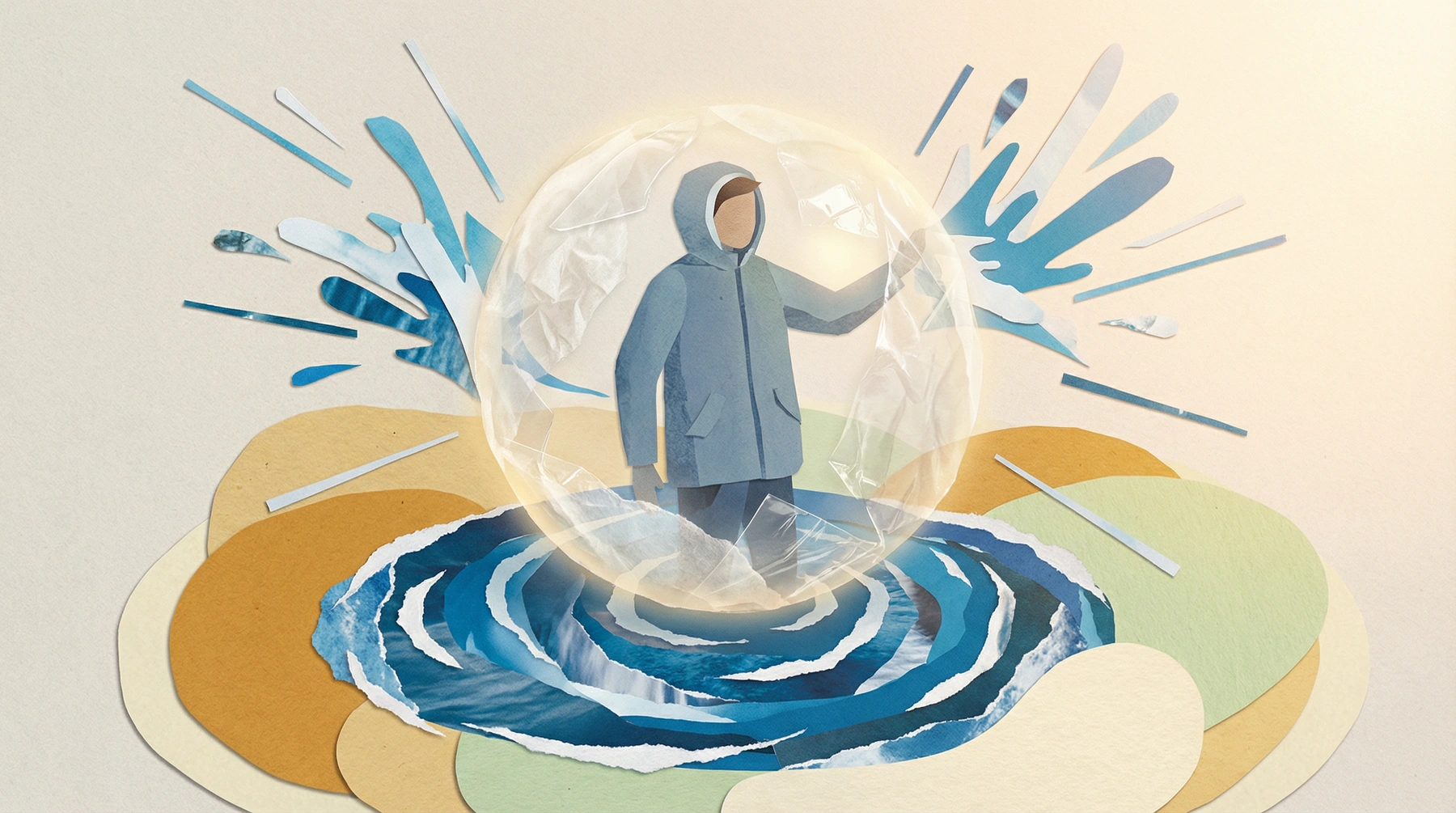
Caption: Restart with physiological means first, then pull yourself back from the emotional storm.
The Bottom Line: Sensitivity Is Your Superpower
Finally, I want to tell you the other side of RSD.
That sensitive brain that makes you miserable often also endows you with extremely strong "Justice Sensitivity." Research has found that RSD patients often possess the strongest empathy; you cannot stand injustice the most and are most willing to speak up for the weak. You are born advocates, the ones whose blood still boils when others are indifferent.
RSD is painful, but it does not define your value.
You are not a "broken" person; you just possess a high-resolution emotional receiver. As long as you learn to install a "filter" on it, this sensitivity will turn from a curse into your deepest insight.
Today's Action Order: Save this guide. Next time when you feel "the sky is falling," want to get angry, or delete friends, stop first, and go wash your face with cold water. Trust me, when the water is wiped dry, the world will turn back to the way it was.