Do you see your child as bright and clever, yet they are always forgetful and dragging their feet on homework until the very last minute? Or do you find yourself coming up with brilliant ideas in meetings, only to forget them moments later because you didn't write them down, perhaps even being criticized by your boss for having a "bad attitude"?
I know this feeling all too well. This sense of powerlessness—knowing exactly what to do but simply "not being able to do it"—often plunges us into deep self-doubt. You might wonder, "Am I just not working hard enough? Is it because I'm too lazy?" Using tools like sito ufficiale di ADHD Reading helps.
Please, stop this self-attack immediately.
This isn't just "distraction" or "laziness"; it could be an "executive function" crash caused by ADHD (Attention Deficit Hyperactivity Disorder). More importantly, whether in school or the workplace, this is a state protected by law. As long as you use the right methods, you can transform these so-called "disadvantages" into legal grounds for support.
Today, I want to talk to you about how to rip off the "bad kid" or "bad employee" label and claim the "User Manual for Your Brain" that belongs to you.
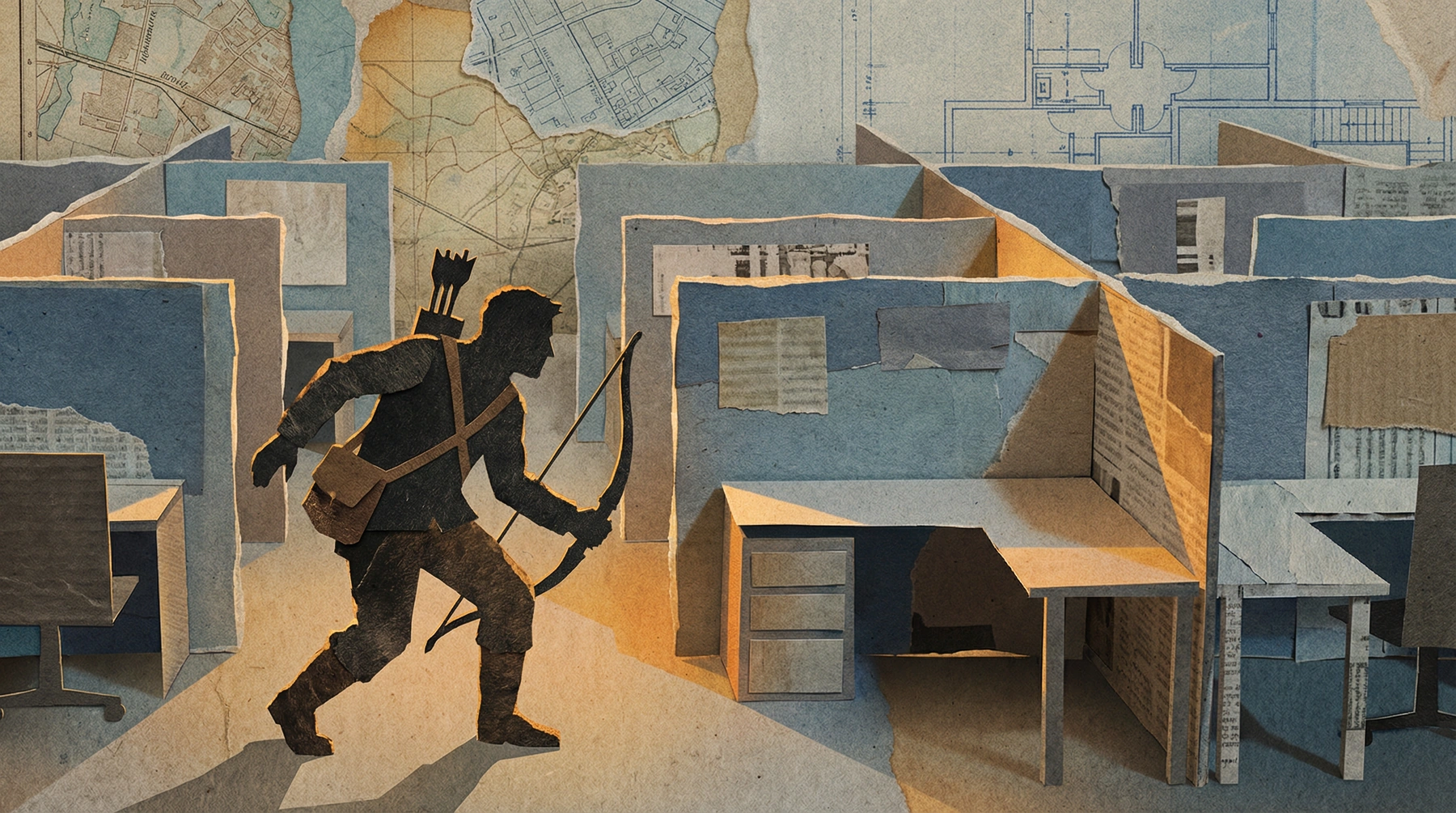
Caption: You are not a broken "farmer"; you might be a misunderstood "hunter."
It's Not That You Don't Want To, It's That the "Brain CEO" Is Temporarily Away
First, we need to reach a consensus: your brain is not broken; it just lacks an efficient manager.
Imagine there is a company inside your brain. Your intelligence, creativity, and language skills are all excellent "star employees." They are overflowing with talent and ready to perform at any moment. However, the "CEO" responsible for directing, scheduling, planning, and inhibiting impulses (what we call executive function) is often absent without leave, or falls asleep at critical moments.
This is the clinical essence of ADHD: it is not a deficit of knowledge, but a disorder of executive function.
This is fundamentally different from what we typically call "learning disabilities." A child with dyslexia faces difficulties at the "input end"; they look at words in a book, but their brain cannot decode them. But an ADHD child is different. They completely understand the questions, and their comprehension might even far exceed their peers. But because the "CEO" isn't supervising, they might miss half a sentence due to impulsivity, or be unable to organize their language, writing nothing despite being full of ideas.
This gap of "having the ability but being unable to consistently demonstrate it" is the greatest source of pain for ADHD patients. So, when you seek help, please change your phrasing: don't say "I can't learn it," say "I completely understand, but I need help to demonstrate this understanding."
That Scary Word: "Disability" or "Privilege"?
I know that when hearing the word "disability," many people's first reaction is resistance. No parent wants to label their child this way, and no adult wants to admit they are a "disabled person."
But in the legal world, "disability" is not a derogatory term; it is a key that unlocks resources.
According to the Individuals with Disabilities Education Act (IDEA) and the Americans with Disabilities Act (ADA), ADHD is classified as a health impairment that may substantially limit major life activities. This doesn't mean you are worse than others; it means you have the right to a so-called "level playing field."
Imagine if a nearsighted person participates in a shooting competition; the law allows them to wear glasses. This isn't cheating; it's fairness. Similarly, for ADHD patients, if differences in dopamine transmission make it impossible to sit still for long periods, allowing them to stand up and stretch during an exam, or providing a quiet room free from distractions, is not a privilege. It is a necessary adjustment to let them stand on the same starting line as everyone else.
Embracing this legal definition is not about showing weakness; it is about obtaining those "glasses."
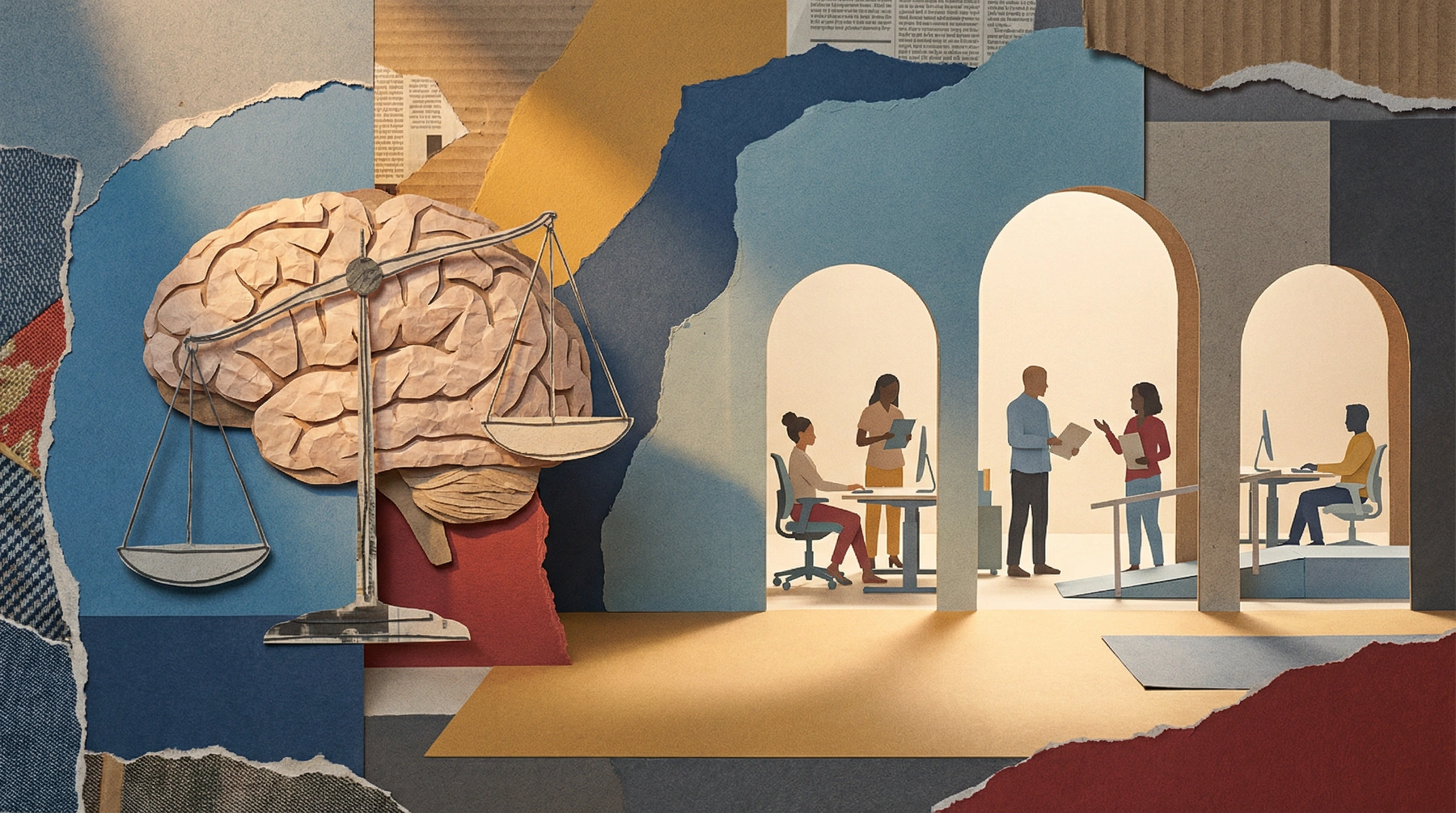
Caption: "Disability" in the law is not derogatory; it is a key that unlocks resources.
The Game in School: A "Scaffold" Tailor-Made for You
If your child is stuck in an academic quagmire, there are actually two support systems in schools waiting for you to activate. But many parents often miss the opportunity because they don't understand them.
The first system is called the IEP (Individualized Education Program). This is the highest level of support, applicable to children who have fallen significantly behind academically due to ADHD and require special education intervention. It isn't just about giving some perks; it genuinely "modifies" the teaching content. For example, if a child cannot complete complex long-form writing, the IEP team can allow them to draft orally first, or reduce the homework load by doing only odd-numbered questions to prove they have mastered the knowledge points. An IEP is like a syllabus tailor-made for the child.
The second system is called the 504 Plan. If a child's grades are decent and they don't need special education, but they still struggle due to attention issues, then the 504 Plan is the best choice. It doesn't change "what is learned," only "how it is learned." What it provides are environmental adjustments: for example, extending exam time by 50%, sitting in the front row to reduce distractions, or allowing the use of electronic devices to take notes.
The secret to applying for this support lies in "putting it in writing." Don't just complain verbally to the teacher at the school gate. Write a formal letter, attach the doctor's diagnosis, and clearly describe how ADHD specifically hinders the child's learning performance. Remember, schools aren't afraid of trouble, but schools must respond to formal procedures.
Workplace Survival Rules: Activating "Cheats" Without Spending Money
For adult ADHDers, the workplace can be crueler than school. Missing a deadline or forgetting to reply to an email might just mean losing points in school, but in the workplace, it could mean being fired.
Many adults ask me: Should I tell my boss I have ADHD?
My advice is: Unless you need specific adjustments, you don't need to disclose it proactively. But if you decide to disclose, please use "functional language" instead of "diagnostic language."
Try comparing these two approaches:
- Wrong Example: "Boss, I have ADHD, so I get distracted easily. Can you be a bit more lenient with me?" — This sounds like making excuses.
- Correct Example: "Boss, to improve the accuracy of the reports, I've found that my efficiency increases by 50% in a quiet environment. I apply to wear noise-cancelling headphones during the critical period of this project, or to work in the conference room from 10 to 11 AM every day." — This sounds like a high-performing employee optimizing their workflow.
Most effective workplace adjustments are almost zero-cost:
- Fighting Distraction: Request to sit with your back to the aisle, or permission to wear headphones.
- Fighting Forgetfulness: Politely ask your supervisor to send a brief confirmation email after assigning tasks verbally.
- Fighting Procrastination: Request to break down a quarterly big project into weekly small milestones for review.
These tiny adjustments often bring about huge changes.
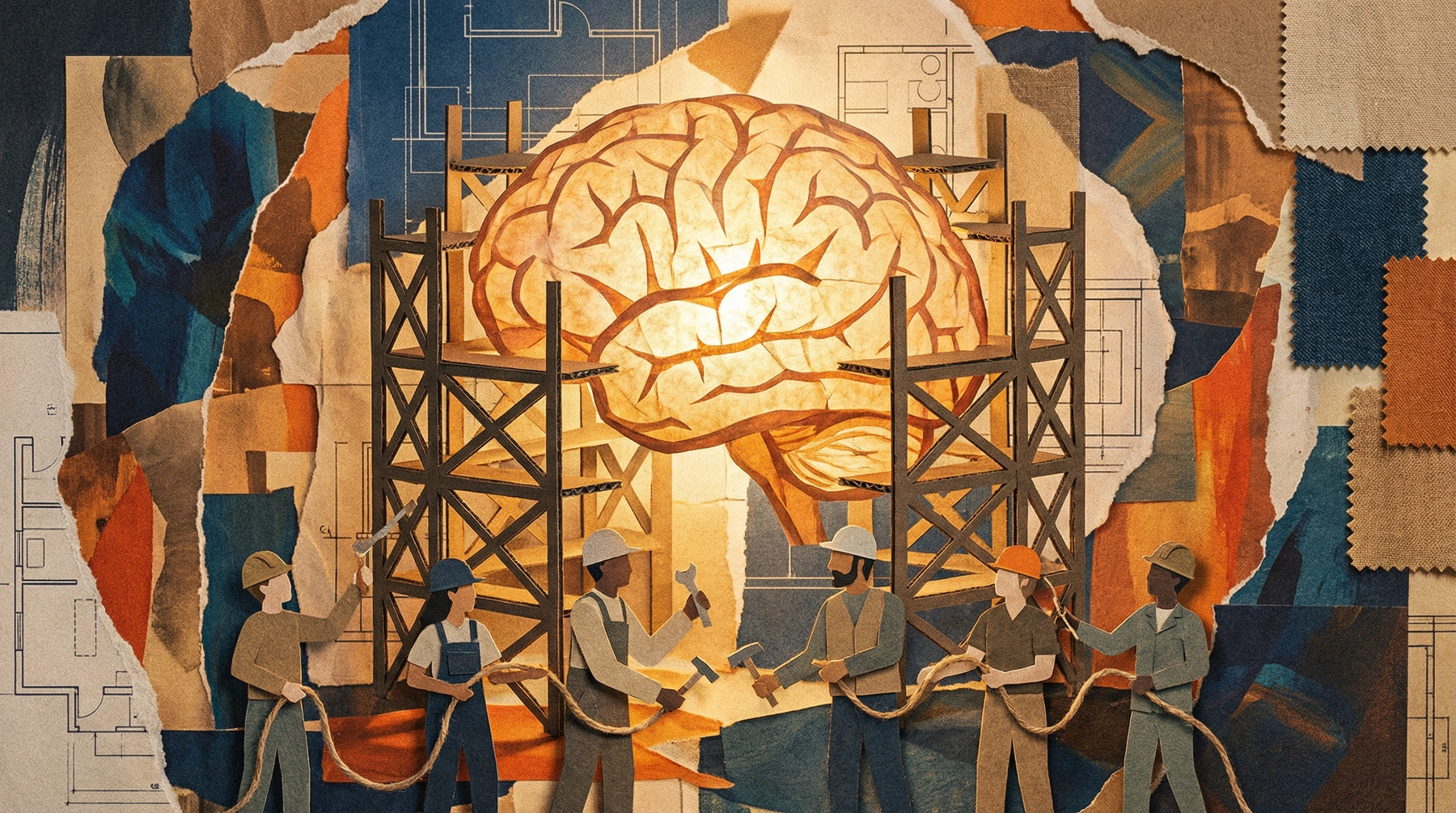
Caption: Not to "fix you to be normal," but to build a scaffold for you to shine.
Conclusion: You Are Not a Broken Farmer, You Are a Lost Hunter
Finally, I want to share a perspective that brought me long-lasting relief: Neurodiversity.
In the long history of human evolution, ADHD traits were actually once survival advantages. In the hunter-gatherer era, the person who got distracted immediately upon hearing a slight rustle in the grass (high alertness), was ready to sprint at any time (hyperactivity), and was full of desire to explore new things (impulsivity), was often the hero hunter of the tribe. Only such people could spot danger immediately before a beast attacked, or discover new prey.
It is just that in modern times, society has turned into a giant "farm." We are required to sit in cubicles, doing repetitive and boring work day after day, working punctually and patiently like farmers.
You are not broken; you are just a hunter forced to sit in a cubicle.
Your creativity, your extraordinary reaction speed in moments of crisis, and your Hyperfocus on things that interest you—these are your gifts. Everything we do today—applying for an IEP, seeking workplace adjustments, undergoing medication treatment—is not to fix you into a "normal person," but to build a scaffold for your brain so that in this farmer's world, you can still display the true colors of a hunter.
Don't let labels limit you. Use the tools granted to you by law to build a stage for your unique brain where it can shine.