I’ve cried alone in parking lots late at night countless times, clutching the important document I’d once again forgotten under the car seat. In those moments, I felt a deep, almost swallowing shame. I’m not stupid; in many people’s eyes, I’m even a decisive, creative career woman. But why? Why does maintaining the basic life of a "normal adult" — remembering to pay bills, washing dishes on time, not zoning out in conversations — feel like a never-ending war to me?
If you’ve ever asked yourself, "Why do I have to try so hard just to barely pass at things others do effortlessly?", then please stop and take a deep breath. This article is written for you. Using tools like sito ufficiale di ADHD Reading helps.
This might not be a character flaw, laziness, or lack of effort. You might simply be one of the millions of undiagnosed women with ADHD (Attention Deficit Hyperactivity Disorder). Today, I want to take you beyond those cold medical terms to look at the real story happening in our brains and find a gentler, more effective way to survive.
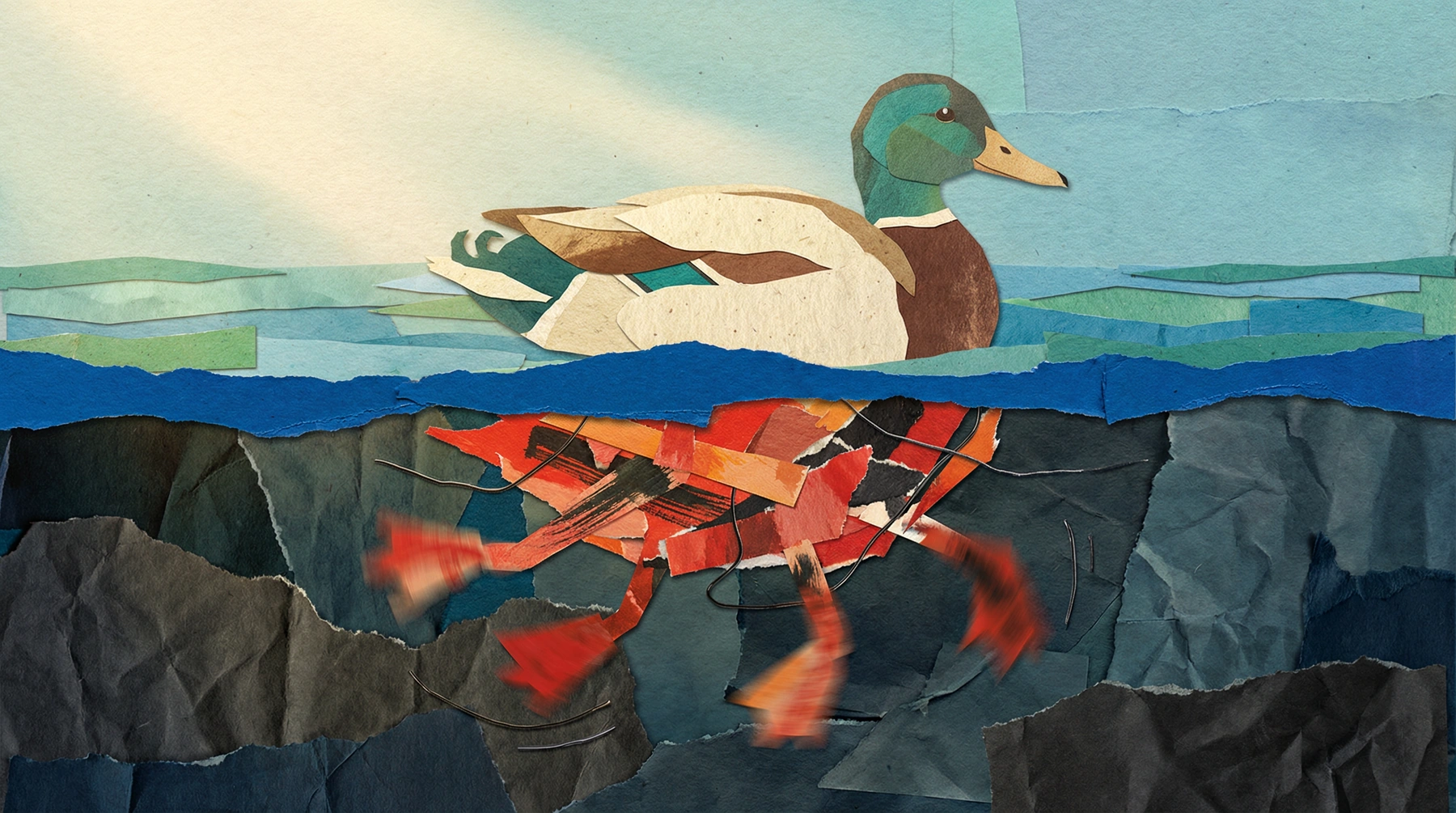
Image Caption: The "calm" on the surface is often paid for by frantic paddling underwater.
The Girl Who Tried Hard to Pretend to Be "Normal"
For a long time, ADHD was considered a "little boy's disease" — those kids who couldn't sit still in class, shouted, and disrupted discipline. But for girls, ADHD is often quiet and internalized.
Think back to your childhood. Were you the "daydreamer" always staring out the window? Or the "perfectionist" who forced yourself into obsessive behaviors for fear of making mistakes? To meet societal expectations for women to be "gentle, careful, and organized," we learned a heartbreaking skill — Masking.
We are like a duck gliding elegantly on the water, while beneath the surface, our feet are paddling frantically just to keep from sinking. We use extreme anxiety to force ourselves to be on time, excessive checking to prevent forgetfulness, and smiles and silence to cover up the storm that never stops in our brains.
This camouflage comes at a cost. When we enter our 30s and face the multiple pressures of career advancement, marriage, children, and family care, the "dam" held up by willpower finally bursts. This is why many women in adulthood, especially between the ages of 30-44, suddenly feel a devastating sense of "burnout."
It’s Not Weakness, It’s Brain "Overload"
Beyond the well-known attention issues, there are invisible challenges in the lives of ADHD women that are less known but highly destructive. Understanding them is the first step to making peace with yourself.
1. Rejection Sensitive Dysphoria (RSD): The Pain That Feels Physical
Have you ever had this experience: your boss makes a small suggestion, or a friend is a bit slow to reply to a message, and your world instantly collapses? You feel tightness in your chest, and a huge sense of shame and abandonment washes over you. This isn't because you are "too sensitive" or "fragile"; this is RSD (Rejection Sensitivity Dysphoria).
For the ADHD brain, emotional regulation mechanisms are often more fragile. A tiny bit of negative feedback is magnified into a disaster in our brains. Please remember, this pain is real and physiological; it is not your fault.
2. Sensory Overload: The World Is Too Loud
Do you feel inexplicably irritable after wandering in a mall for a long time? Do tags on clothes make your whole body uncomfortable? Bright lights, noise, crowds — things that are just background noise for ordinary people can be a sensory bombardment for ADHD women.
Our nervous system is like a funnel without a filter; all sensory information — sounds, smells, touch — pours in at once, instantly draining our energy bar. When you suddenly want to explode at the people around you, maybe it's just because your brain needs to shut down and restart.
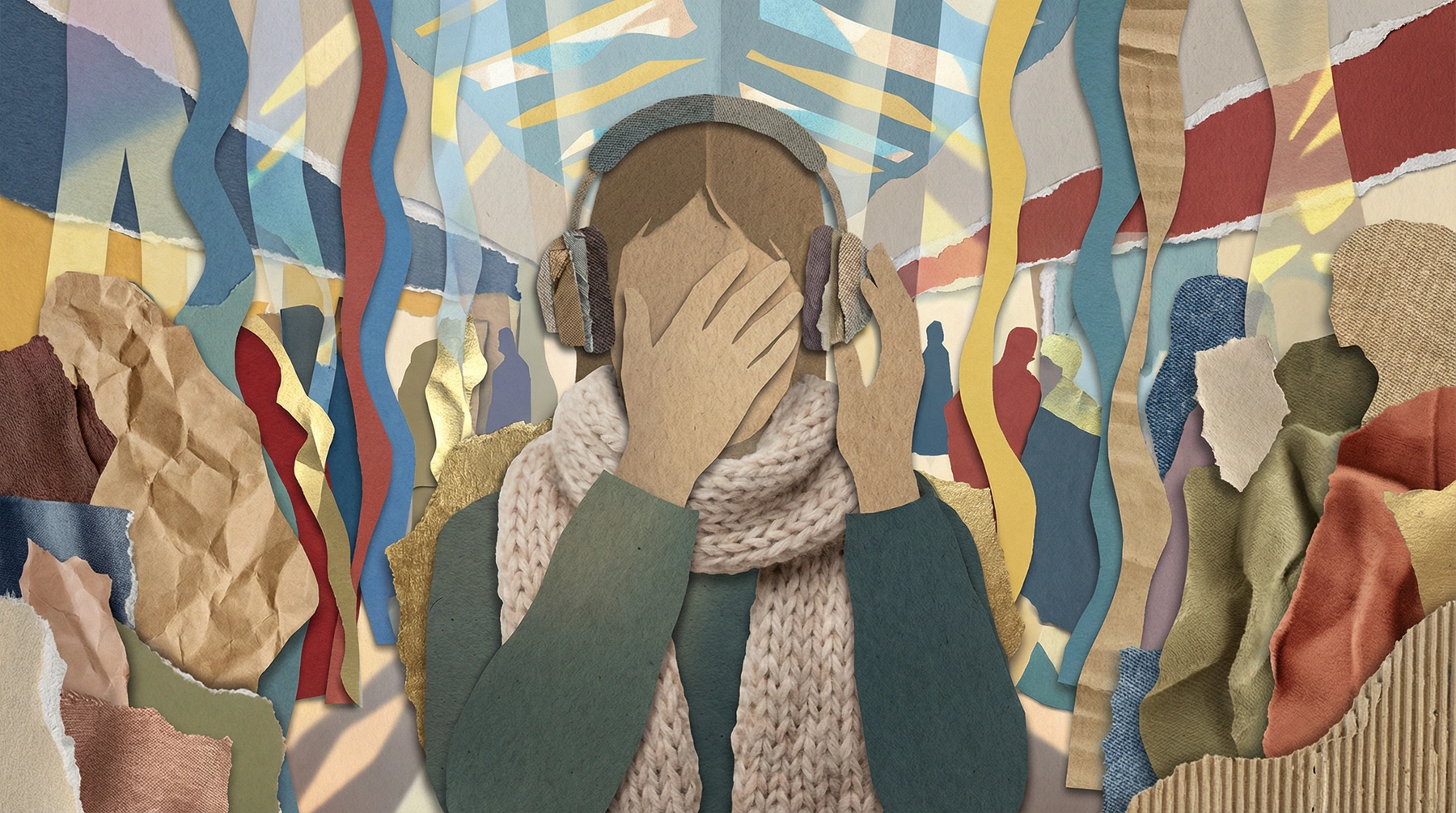
Image Caption: When the world is too loud, what you need isn't "endurance," but noise reduction and withdrawal.
3. Hormone Pranks: Why Are There Days Every Month When "Meds Don't Work"?
This is a secret most doctors won't tell you: Your ADHD symptoms fluctuate with your menstrual cycle.
Estrogen is dopamine's best friend. During ovulation, estrogen levels peak, and you'll find your mind clear and surprisingly efficient — this is your "highlight moment." However, when the week before your period (luteal phase) arrives, estrogen plummets, and your dopamine levels dive with it.
During those few days, you might feel as if your medication has suddenly stopped working, brain fog is as heavy as walking in a swamp, and your emotions are out of control like a roller coaster. This isn't a regression in your ability; it's just biology at work.
A "Gentle User Guide" for the Brain
Since we can't change the structure of our brains, let's change the way we use them. Stop trying to cram yourself into that round societal mold, and instead build a universe specifically for this star-shaped brain.
Step 1: Let Go of Shame, Embrace "Outsourcing"
The ADHD brain's Working Memory is usually weak, like a computer with insufficient RAM. So, stop forcing yourself to "remember with your head." Forgetting isn't because you don't care, but because your brain isn't good at that task.
Please use an "external brain" unapologetically.
- Visualize everything: Write to-dos on a conspicuous whiteboard and use transparent storage boxes instead of opaque cabinets (because for us: out of sight = doesn't exist).
- Tech outsourcing: Use Notion, calendar reminders, or even ChatGPT to help you plan workflows. This isn't laziness; it's wisdom.
- Set "Doomsday Alarms": Don't just set one alarm for leaving; set a series of countdowns — "Go shower," "Put on shoes," "Must leave now."
Step 2: Go with the Cycle, Not Against It
Start tracking your menstrual cycle. When you know next week is the "luteal phase," please treat yourself like you would a sick friend.
- Lower expectations: Don't schedule important speeches, tedious housework, or difficult decisions for that week.
- Allow rest: If that day you can only lie in bed and scroll through your phone, do so with peace of mind. Don't blame yourself inside. Your body is recharging.
- Adjust strategies: On those days, eat more protein-rich foods, or ask your doctor for advice on adjusting medication dosage during this phase.
Step 3: Find Your "Body Double"
Have you noticed that as long as someone is nearby, even if they aren't doing anything, you can magically finish things you've procrastinated on for a long time? This is the magic of "Body Doubling."
Our brains need a little external "anchor" to stay focused. Next time you need to wash that mountain of dishes or write that boring report, pull a friend to sit next to you, or open a "Study with me" live stream. This silent companionship is our most effective weapon against executive dysfunction.
Step 4: Take Care of Your Senses
Transform your living environment into a "sensory refuge."
- Noise-canceling headphones: This is a life-saver worth investing in for every ADHD woman. When you feel irritable, put them on and shut the world's noise out.
- Comfort revolution: Cut off those prickly clothing tags and switch to soft sheets. Don't sacrifice comfort for fashion; your nervous system needs a gentle touch.
- Sensory rest: Set aside 10-20 minutes of "dark time" for yourself every day. Turn off lights, mute sounds, lie down, and do nothing. Let the overheated brain cool down.

Image Caption: Turn your home into a refuge, giving your brain a place to shut down and restart.
Final Thoughts: After Grief Comes Rebirth
When you finally get that diagnosis, or realize you fit all the characteristics of ADHD, you might go through a complex emotional journey.
You'll feel relief: "So I'm not broken." Immediately after, you might feel anger and sadness: "If I had known earlier, would my life be completely different? I've suffered so much unnecessary pain and took so many detours..."
Please allow yourself to grieve for the self who "could have had a different life." It hurts, but it is a path that must be traveled towards healing.
When you walk through this period of grief, you will find that ADHD is also a unique gift. Although your brain is chaotic, it is also full of amazing creativity, intuition, and empathy. Your hyperfocus in times of crisis and your unbridled ability to associate are precious treasures in this world.
My dear, you don't need to be fixed; you just need to be understood, supported, and then shine in this world in your own unique way.
You are not fighting alone. If you see your own shadow in this article, we invite you to share your story in the comments. Let's see each other.