If we compare the ADHD brain to a car, many people think of it as a broken vehicle with failing brakes. But the reality might be just the opposite: You possess a Ferrari engine, but it’s equipped with bicycle brake pads.
This explains that phenomenon you've regretted countless times late at night: you originally intended to spend five minutes looking up some information, but when you looked up, the sky was already turning pale outside. In those vanished eight hours, you didn't finish that urgent PPT, but you unexpectedly became an expert on some obscure historical event, or perfectly organized thousands of photos by color tone. Using specialized tools like ADHD Reading can significantly improve this focus.
This state is known in clinical psychology as "Hyperfocus."
For many ADHDers, this is a love-hate experience. It is both the "superpower" that allows you to create miracles two hours before a deadline, and the "culprit" that messes up your life rhythm. But most importantly, it is not your defect; it is your brain's unique operating system.
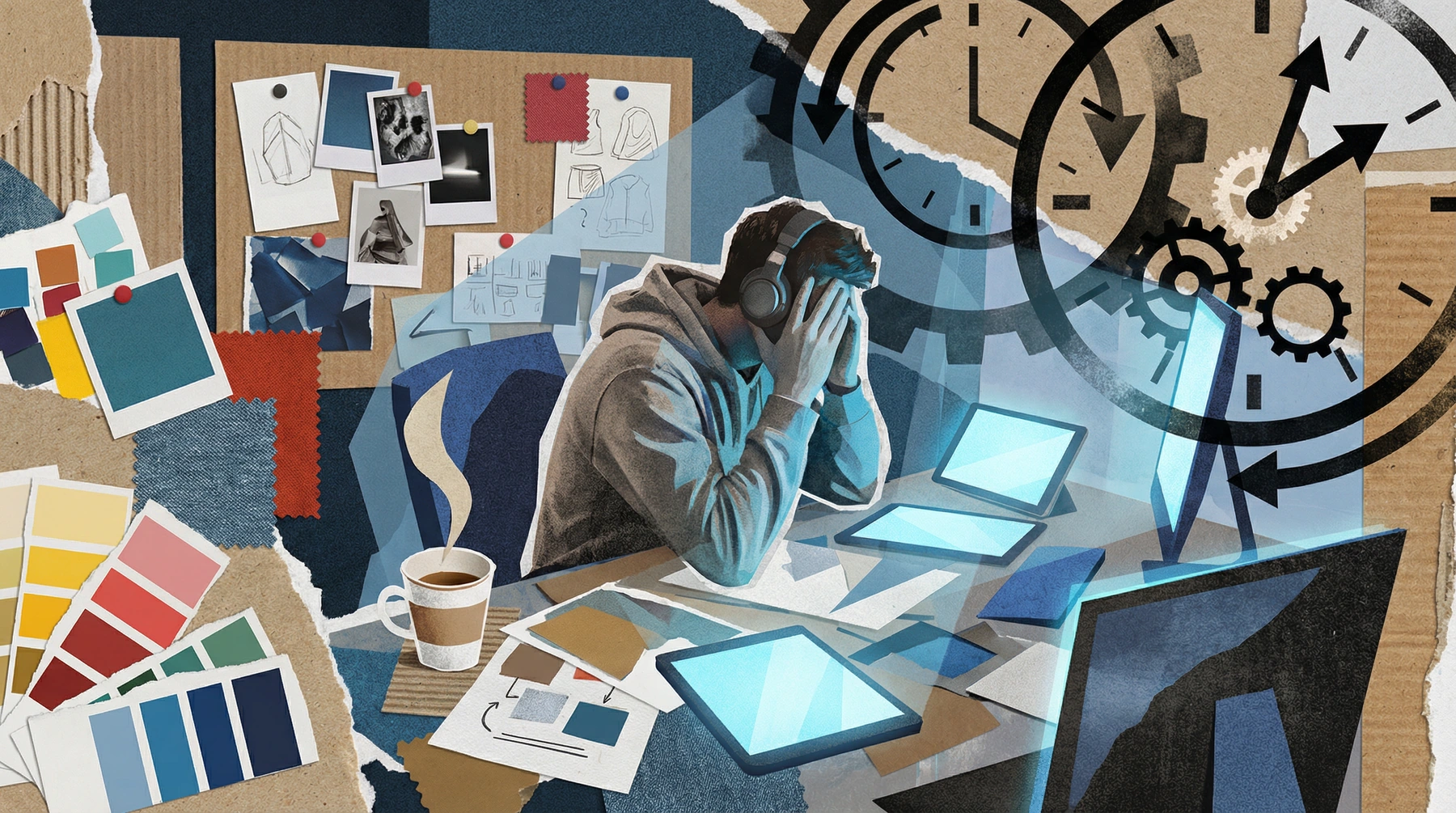
Caption: You don't have "poor willpower"; you just had your time hijacked by hyperfocus.
Your Brain Doesn't Lack Attention, It's Just Picky
For a long time, we have been misled. If you ask the family member of any ADHD patient, they will tell you: "How could he have an attention deficit? When he plays video games / builds Legos / draws, he wouldn't hear the house collapsing!"
Yes, the core contradiction of ADHD lies not in the "lack" of attention, but in its "dysregulation."
Dr. William Dodson once proposed a very precise concept: Interest-Based Nervous System. The average person's brain is "importance-driven"; they can force themselves to start working because "this matter is important" or "the boss requires it." But your brain is different. It is insensitive to "importance" but has an almost instinctual greed for "Interest, Novelty, Challenge, and Urgency."
When a task meets these conditions, the dopamine in your brain erupts like a flood. This surge of neurotransmitters instantly locks your attention channel, creating a complete shield against the surrounding world—hunger, noise, and even the passage of time.
This is why you fall into that "unstoppable" frenzied state. It's not that you don't want to stop, but that your neural circuits have been "hijacked" by high concentrations of dopamine.
The Dangerous "Procrastination-Hyperfocus" Cycle
Many high-functioning ADHDers actually survive by relying on this hijacking.
Think back to your past work patterns: Do you often feel extreme pain at the beginning of a project, sitting in front of the computer for hours without writing a single word? This "Task Paralysis" isn't because you are lazy, but because the task isn't stimulating enough, and your prefrontal cortex (the brain's CEO) cannot start the engine due to a lack of dopamine.
So you procrastinate, dragging it out until the last few hours before the deadline. At this moment, a huge sense of "Urgency" finally arrives. Adrenaline and dopamine soar instantly, and you enter hyperfocus mode, finishing the work at an astonishing speed at the very last minute.
Although the results are often good, the cost of this mode is expensive. It's like having to floor the gas pedal every time you start the car; over time, you will feel deep exhaustion and Burnout. You start to doubt yourself: "Why can't I just finish things smoothly like a normal person?"
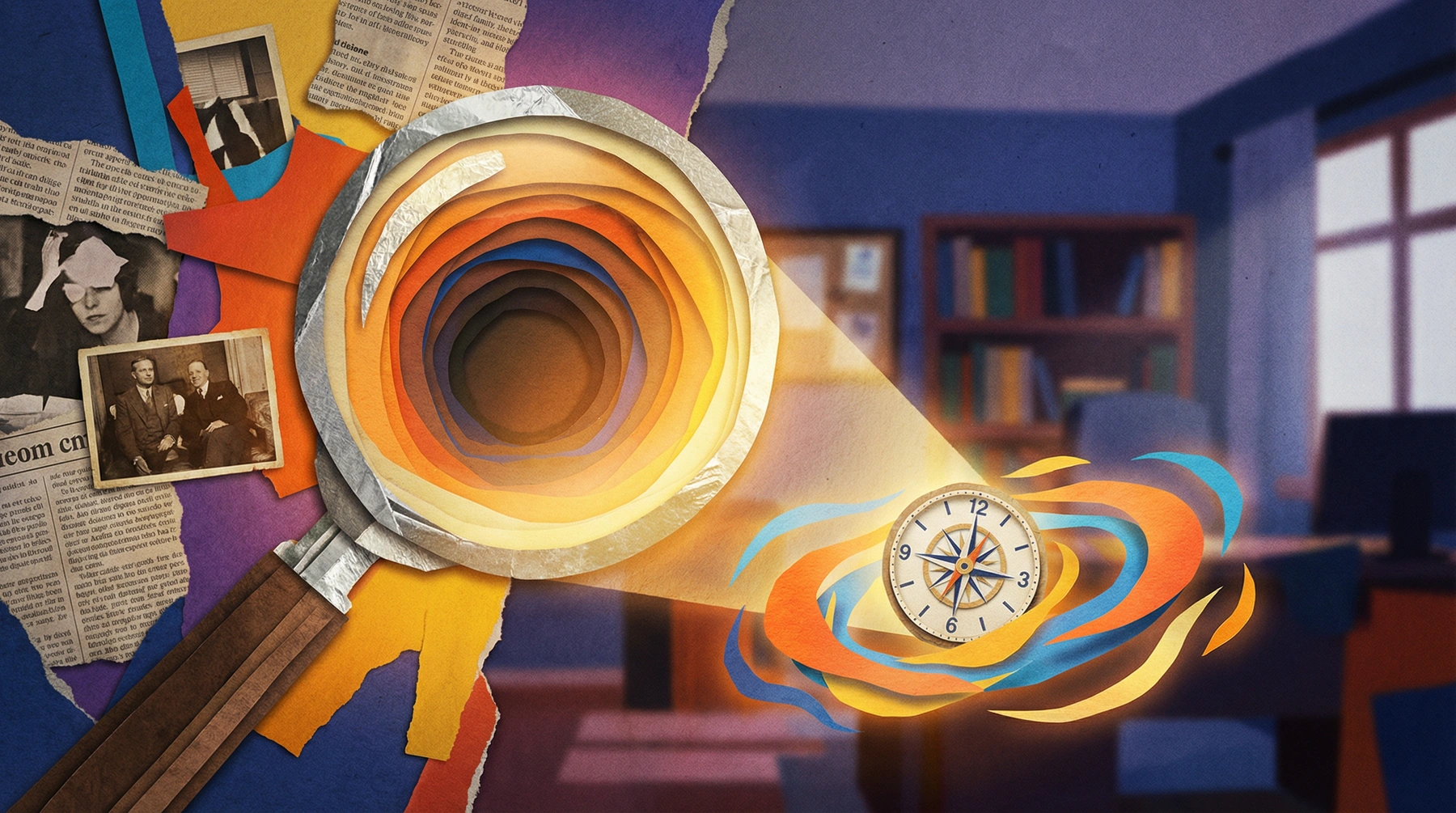
Caption: Hyperfocus lets you see the "God of Details," but it also blinds you to time.
Taming the Wild Horse: How to Dance with Hyperfocus
We don't need to eliminate hyperfocus, because that is the source of your creativity. Many great artists, programmers, and entrepreneurs have changed the world relying on this trait. What we need to do is learn how to put a bridle on this wild horse.
First, follow your energy, not the schedule. Don't force yourself to do the most boring administrative work at 9 AM if your brain is still in "standby" mode then. Observe yourself; if you are most easily in the zone late at night or early in the morning, schedule the "deep water" work that requires the most creativity for those times. And when you don't want to use your brain, allow yourself to do some low-dopamine chores.
Second, give your brain a little "bait." Since our brains are interest-driven, don't try to use "willpower" to fight boredom. Try to "gamify" your work. If you have to reply to dozens of emails, make a bet with yourself: "Can I finish this batch in 20 minutes? If I win, I'll reward myself with a latte." This artificially created micro-challenge can trick your brain into releasing that little bit of dopamine needed to start.
Most importantly: You need an external "anchor." The scariest part of hyperfocus is its "dissociation"—you completely forget the real world. You need to establish some physical mechanisms to pull yourself back. Many people find "Body Doubling" very effective: find someone to sit next to you, or work in a place with people like a coffee shop. Even if everyone is busy with their own things, this subtle social pressure of "someone being present" often prevents you from seamlessly switching from writing a report to the black hole of scrolling through short videos.
At the same time, try to set a "Transition Ritual" for your end time. When the alarm rings, don't expect yourself to stop immediately. You need a physical action to break the deadlock: stand up, get a glass of water, or switch the lighting from cool white to warm yellow. These sensory changes are "rest signs" that the brain can understand.

Caption: What you need isn't "more effort," but a set of reins for a safe landing.
Final Thoughts
The ADHD brain may seem out of place in this world full of rigid rules and linear schedules. But please remember, in a world that needs crazy ideas and extreme focus, your brain is the most precious asset.
Don't blame yourself for not being able to walk in a straight line. You were born to fly; you just need to learn how to land safely first.